Description
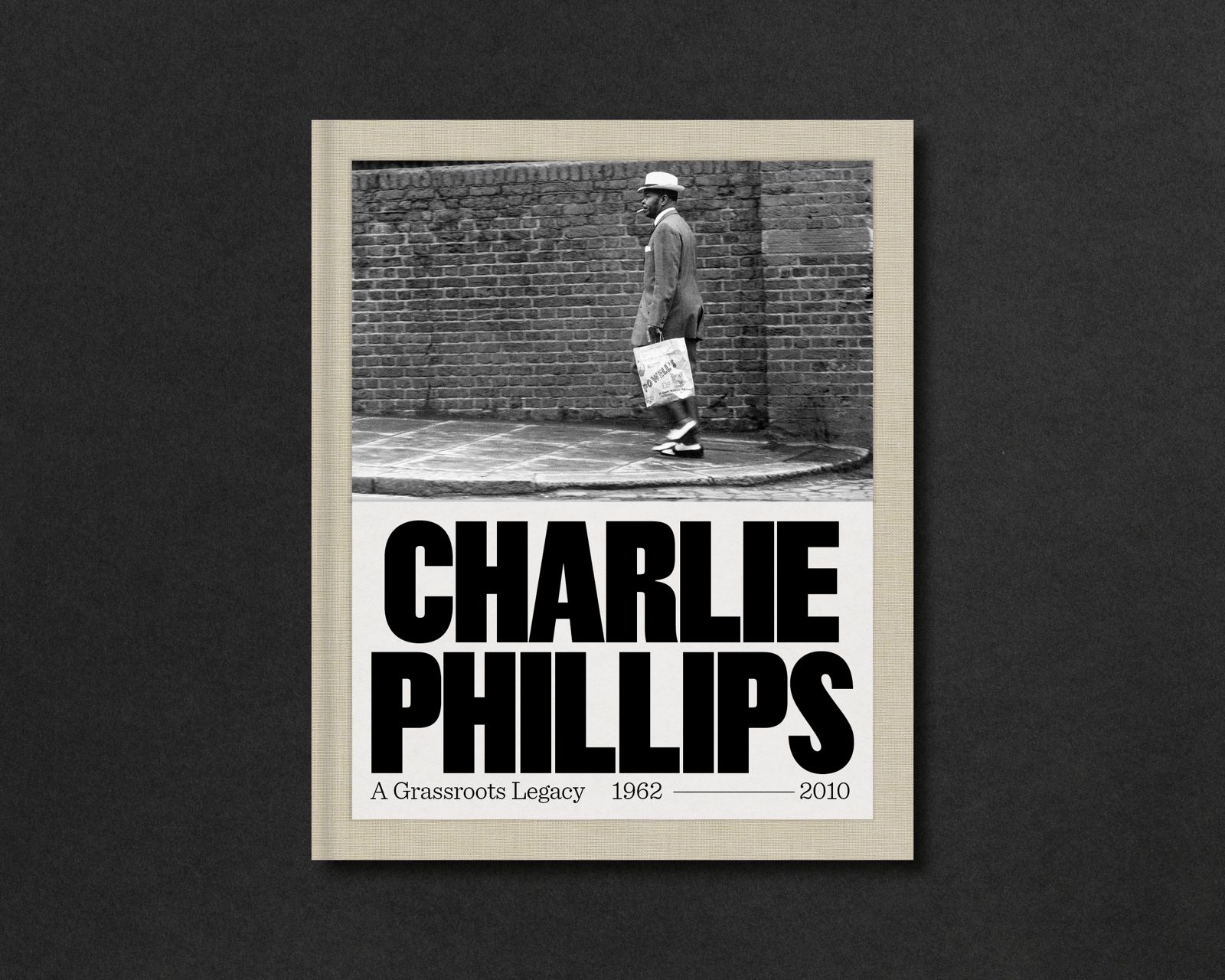
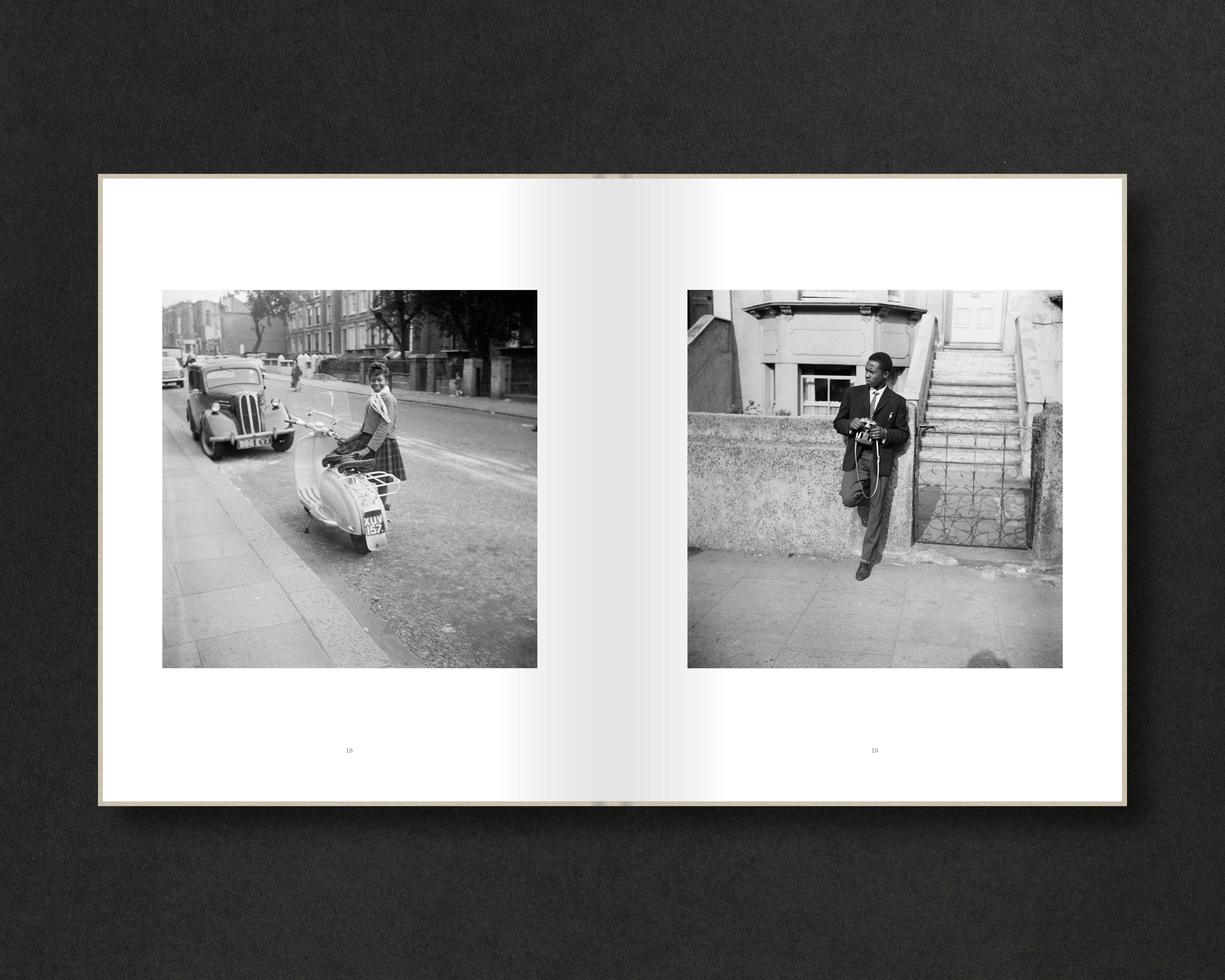
Charlie Phillips describes himself as a “Windrush kid”. He arrived in London from Jamaica in the late 1950s at the age of 11. It was a time of slum landlords and race riots. He spent his teenage years in Notting Hill – back then regarded as a ghetto – with few possessions, sharing a single, cramped room with his parents.
After a Black American GI looking for fun in the city left behind a Kodak Retina camera at a house party in Notting Hill (swapping it with Charlie’s father for taxi fare), Charlie’s life changed. Aged 14, he taught himself to develop 35mm film, turning his bathroom into a darkroom in the dead of night when everyone was asleep. A copy of The Saturday Evening Post the GI also left behind, with the painting The Runaway by Norman Rockwell on the cover, became his gateway to another world.
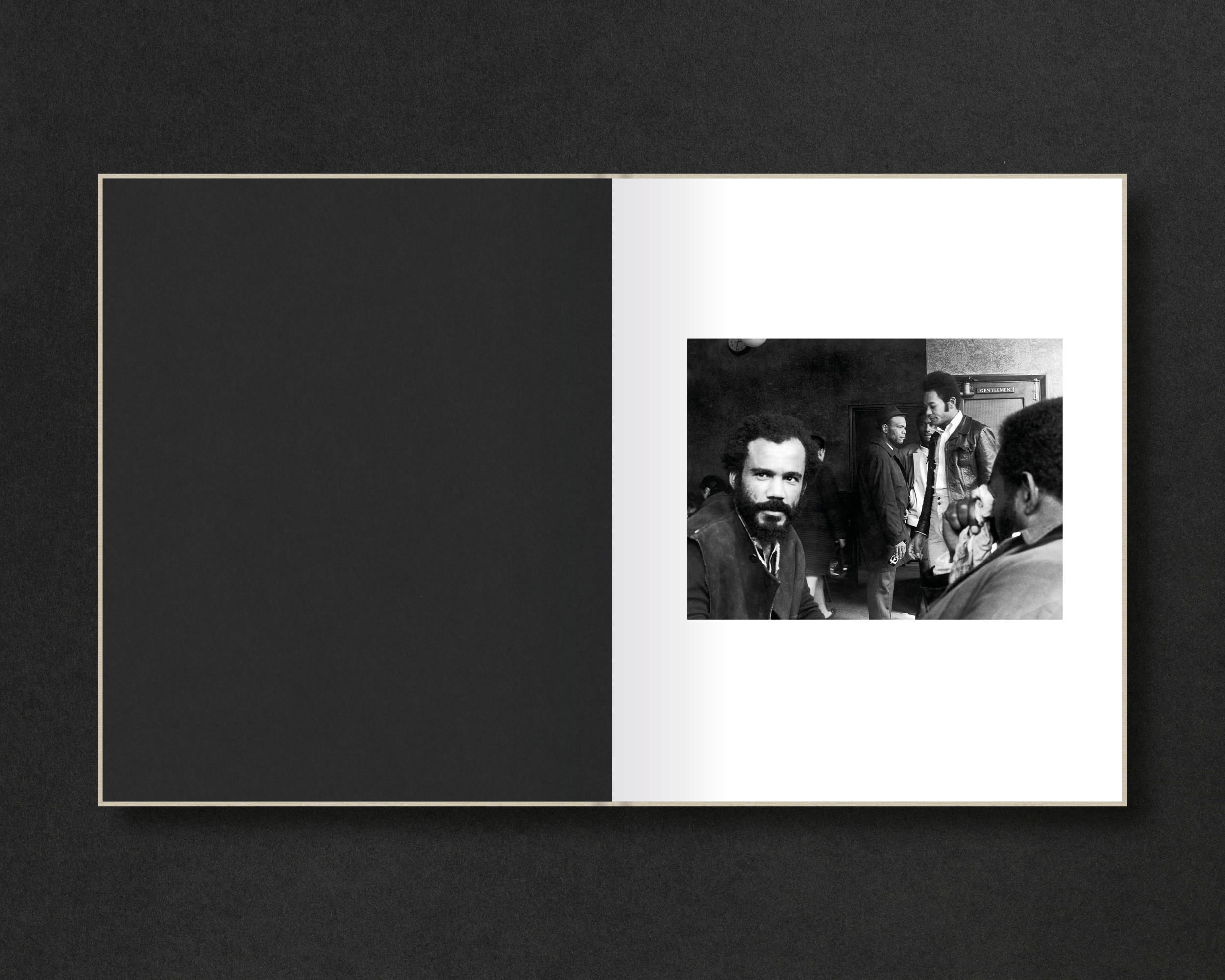
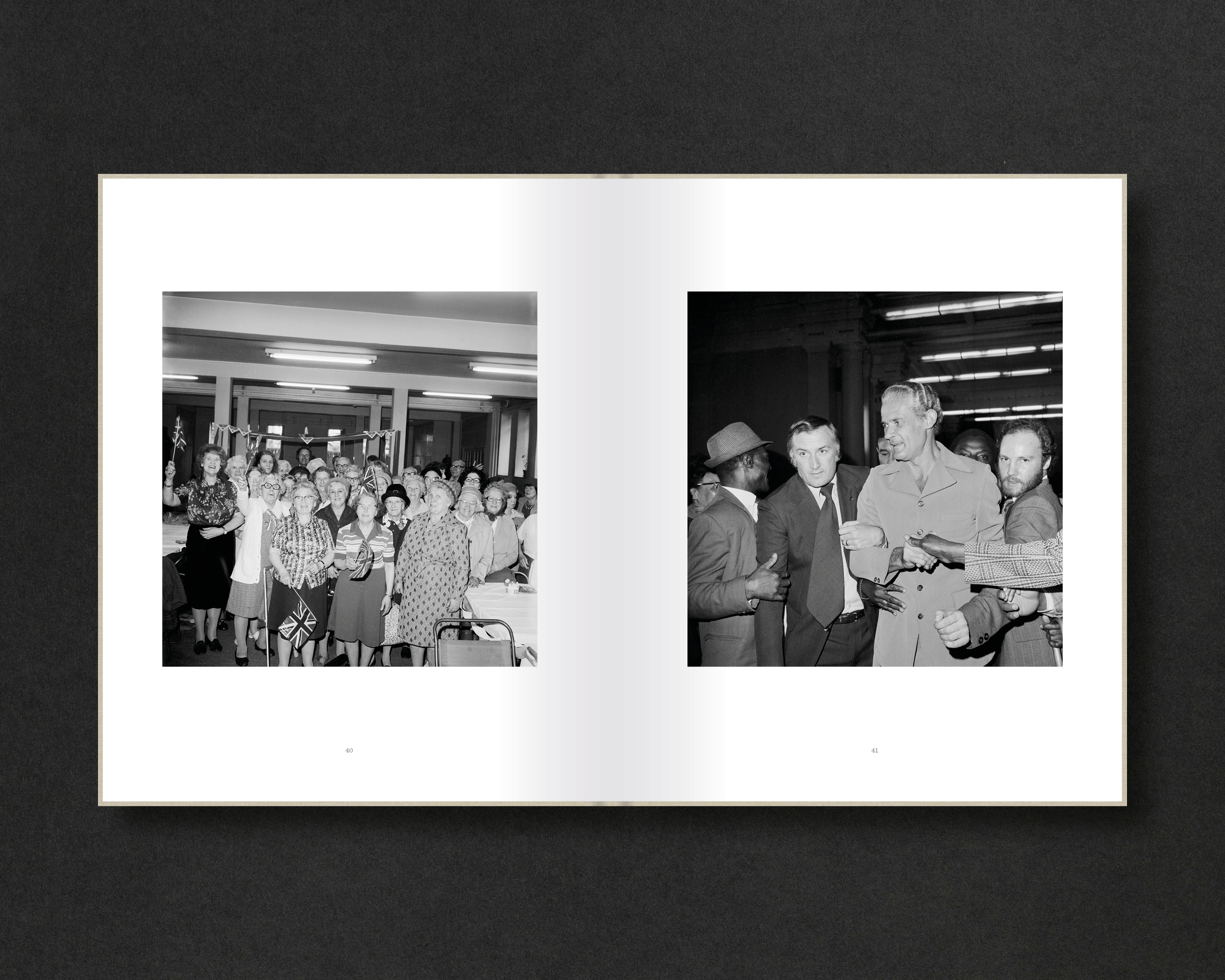
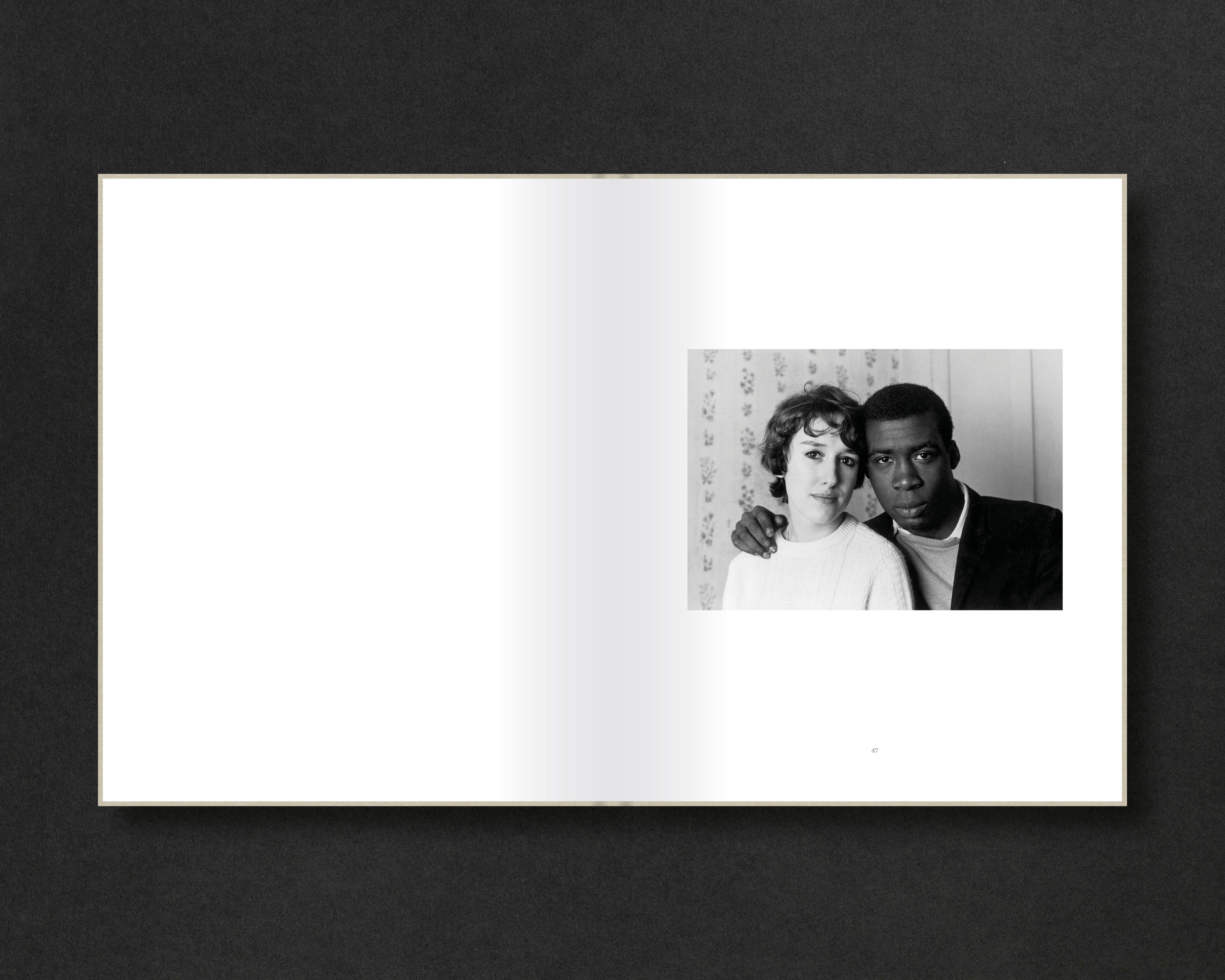
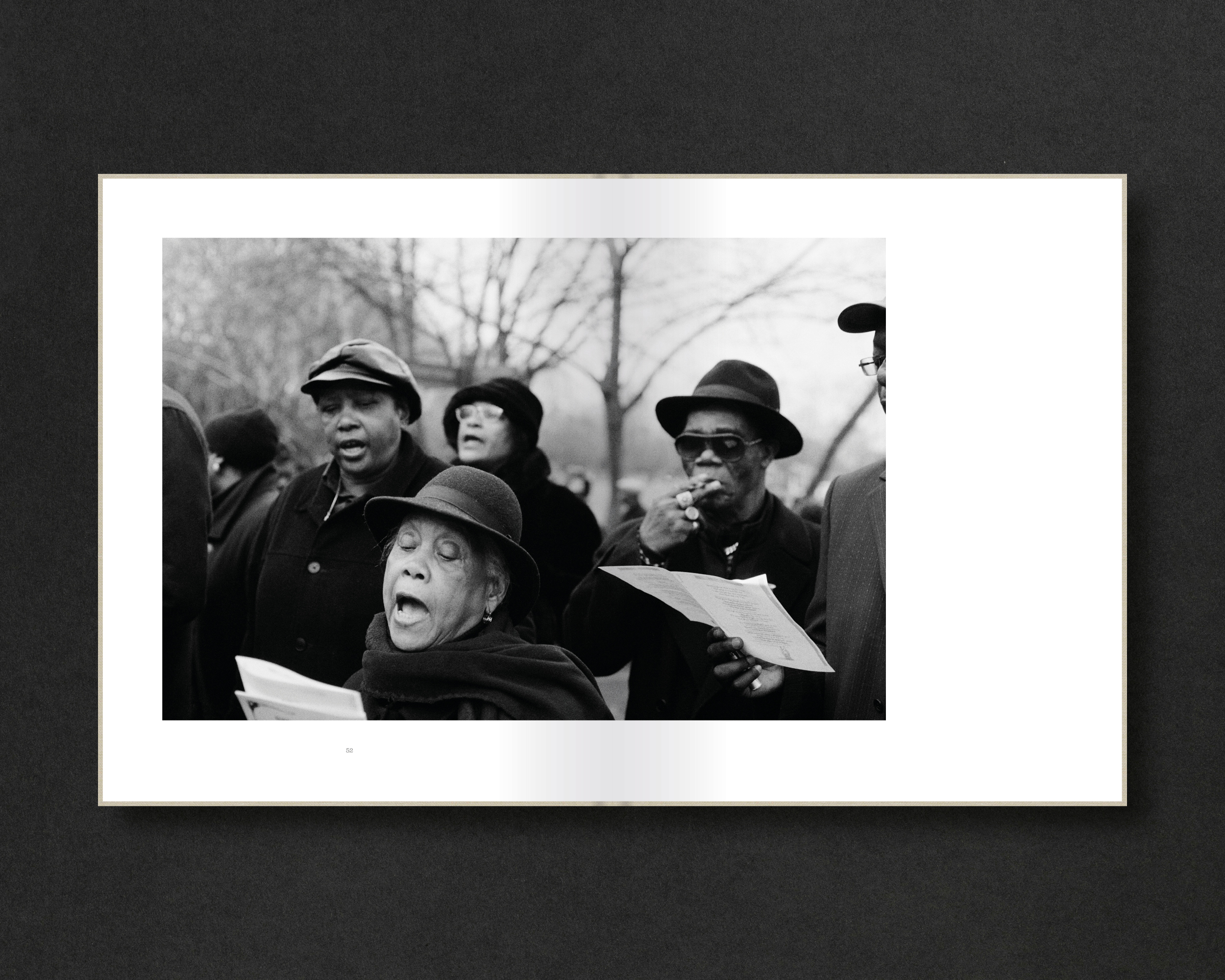
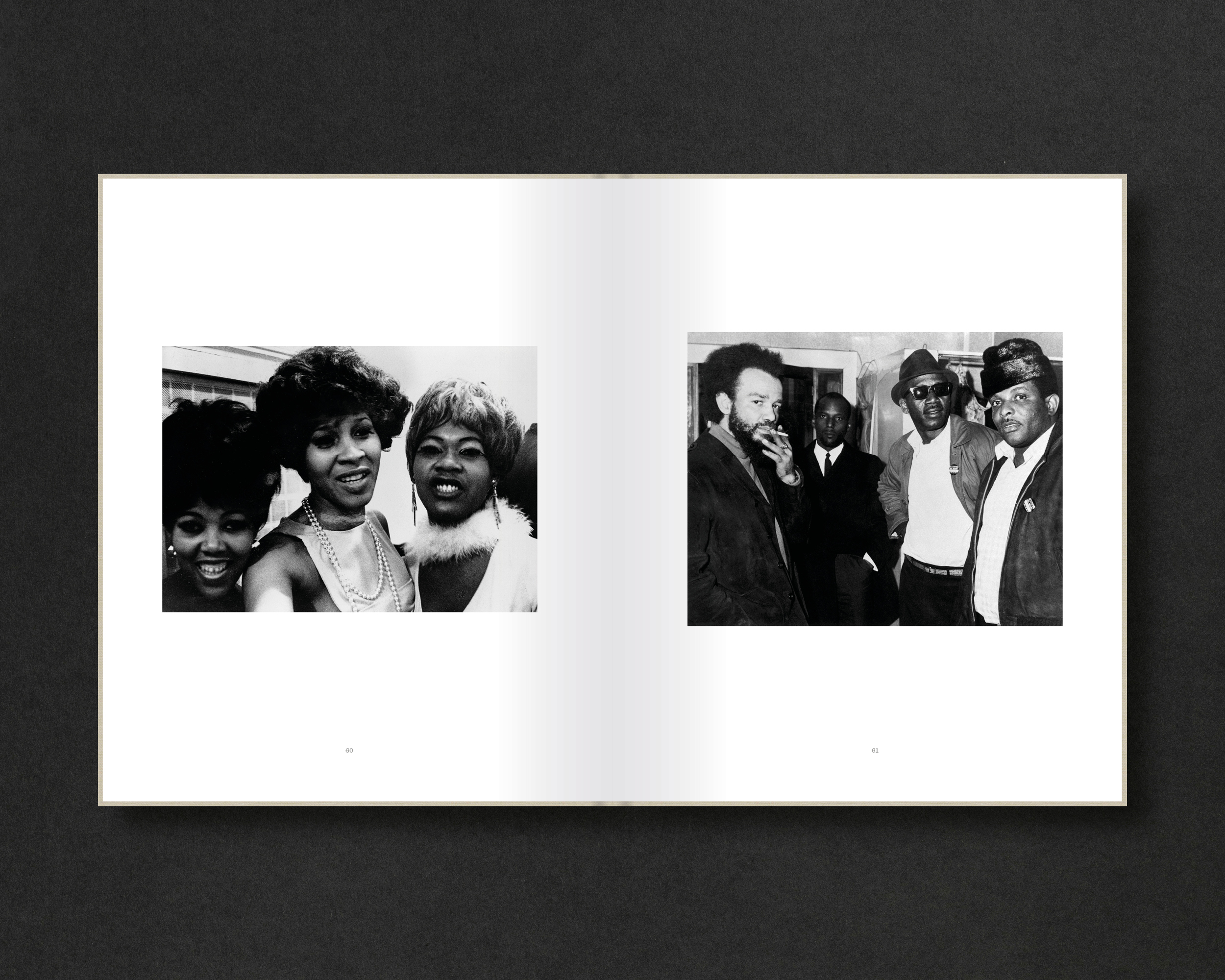
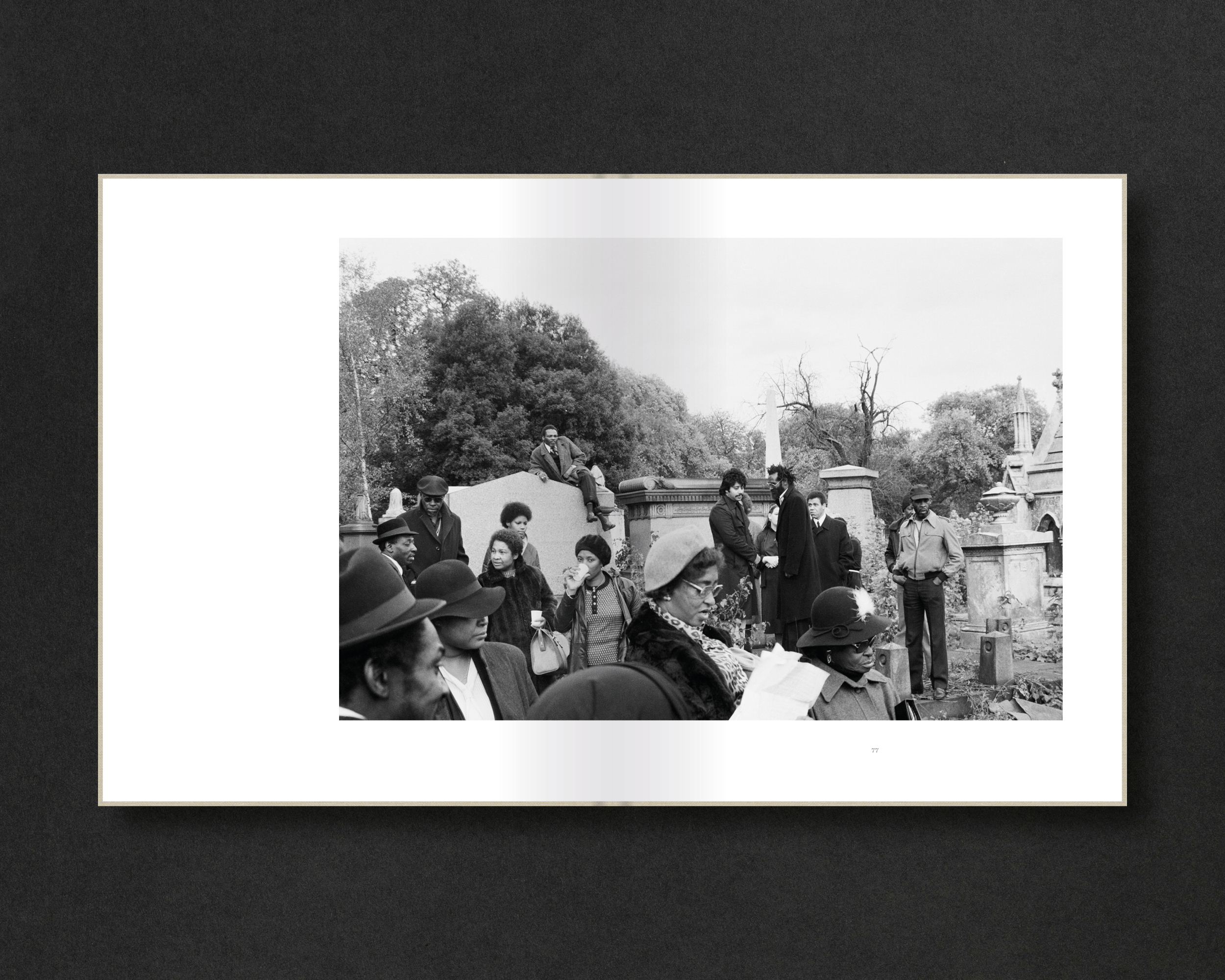
At first, he took photos of his friends and sold them at school, but then through the lens he began to document the world around him, the emerging one of musicians, street life, parties, families and rude boys in their zoot suits arriving fresh from Tilbury Docks; and the disappearing one, taking us into the unseen world of Afro-Caribbean funeral culture (a decades-long project called How Great Thou Art has documented changing fashions as much as changing attitudes) and photographing the final days of streets demolished for the Westway flyover. The relaxed nature of his subjects speak of Charlie’s own spontaneous style and personality, but the compositions tell a bigger story of a changing London and Britain.
This book was published thanks to the support of our Kickstarter backers, who are listed here. An Errata to replace the credits list on p104 is available here.
First Edition
240 x 291mm, 112 pages
Cloth-bound hardcover with tip-in
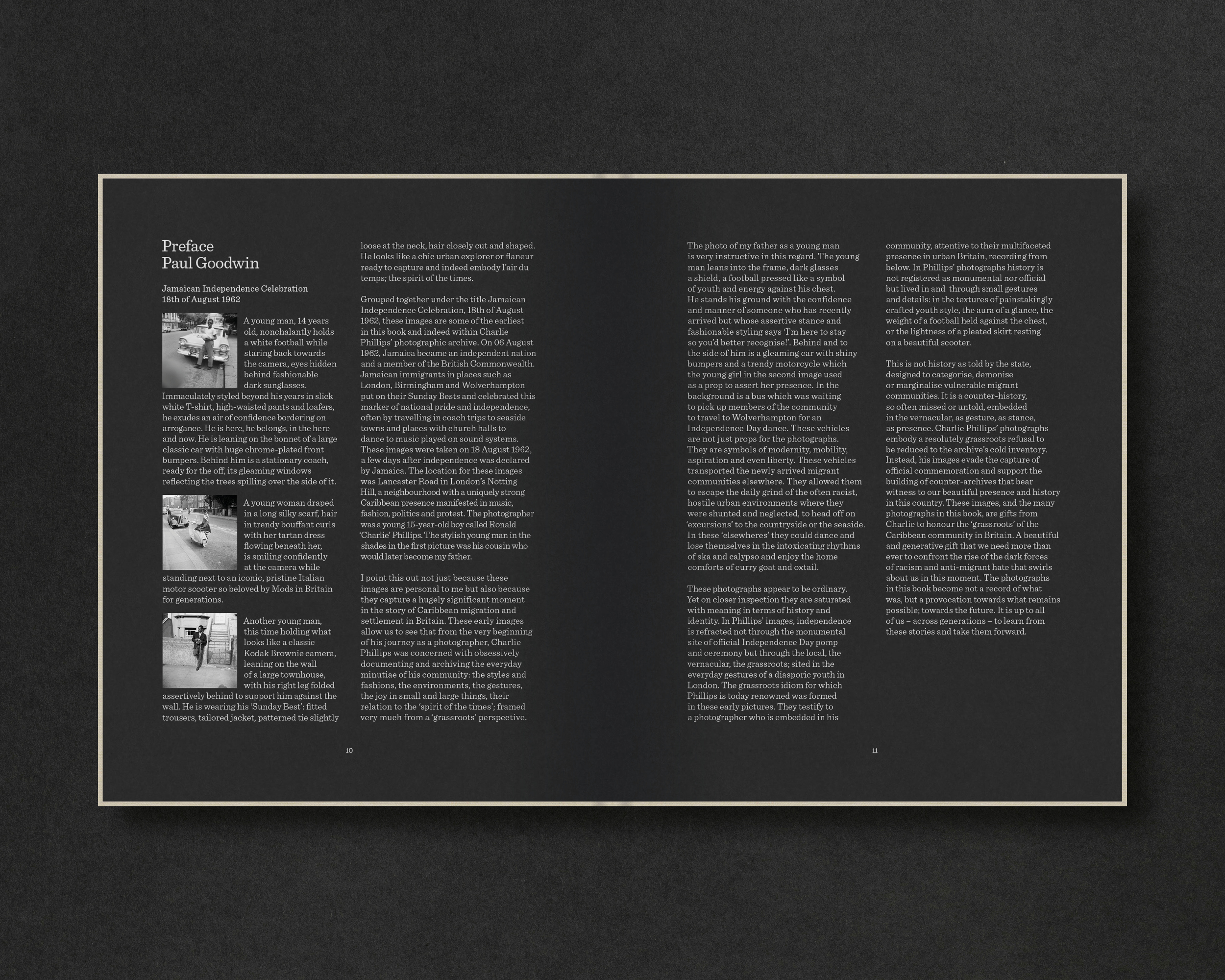
With an introduction by Cecil Gutzmore and a preface by Paul Goodwin
Duotone printed and bound by MAS Matbaa, Istanbul