Description
“Honest but never dreary, these images are rich with a playful storytelling that takes us beyond prison cliches, to places that are delicate, tragic and beautiful. If more people looked at prisons and the people in them the same way that Andy Aitchison did, then they would surely become more humane places.”
– Andy West
Philosopher in Residence at HMP Grendon.
Author of THE LIFE INSIDE (Picador 2022).
Executive Producer of WAITING FOR THE OUT (BBC ONE 2026).
This is what the future used to look like.
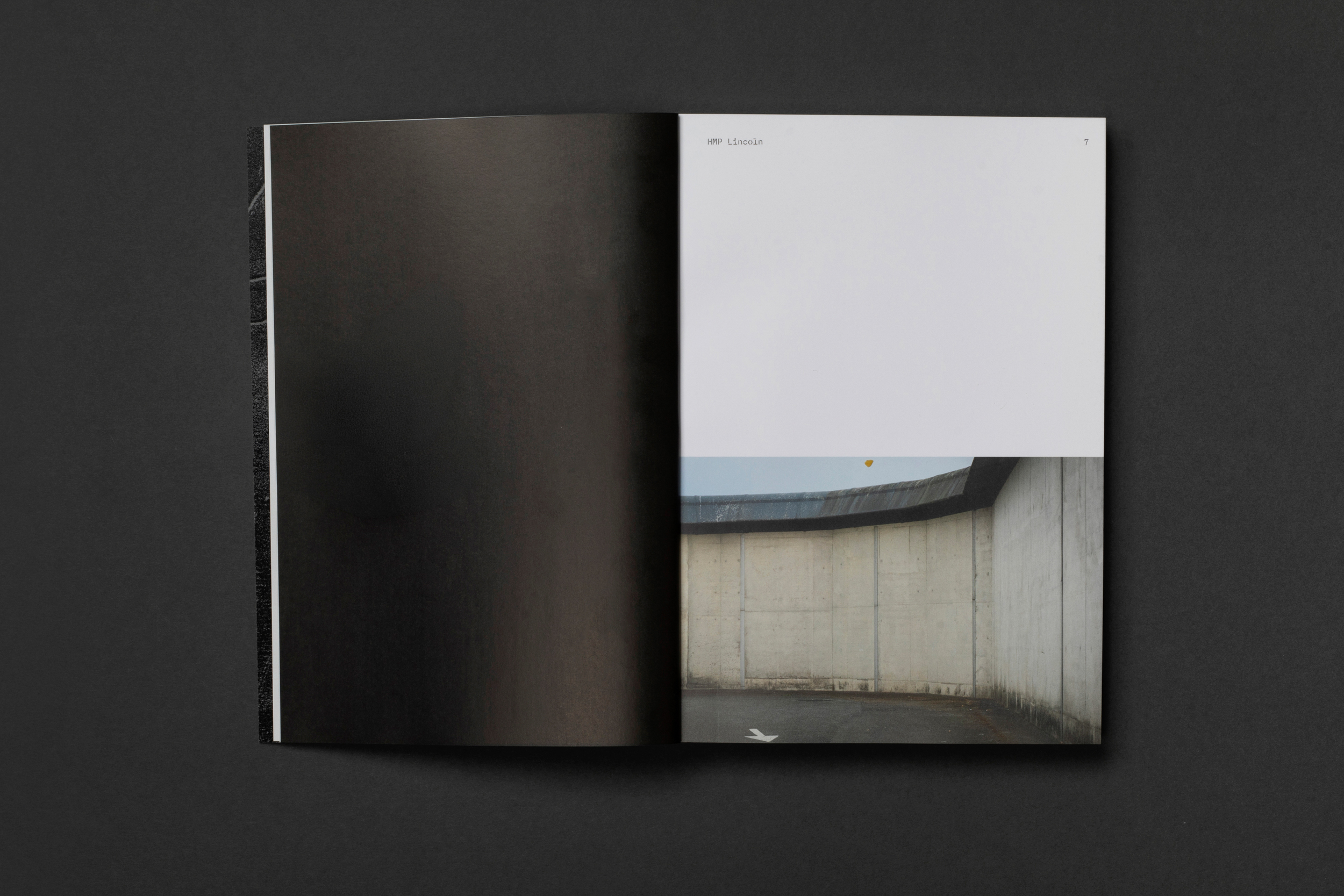
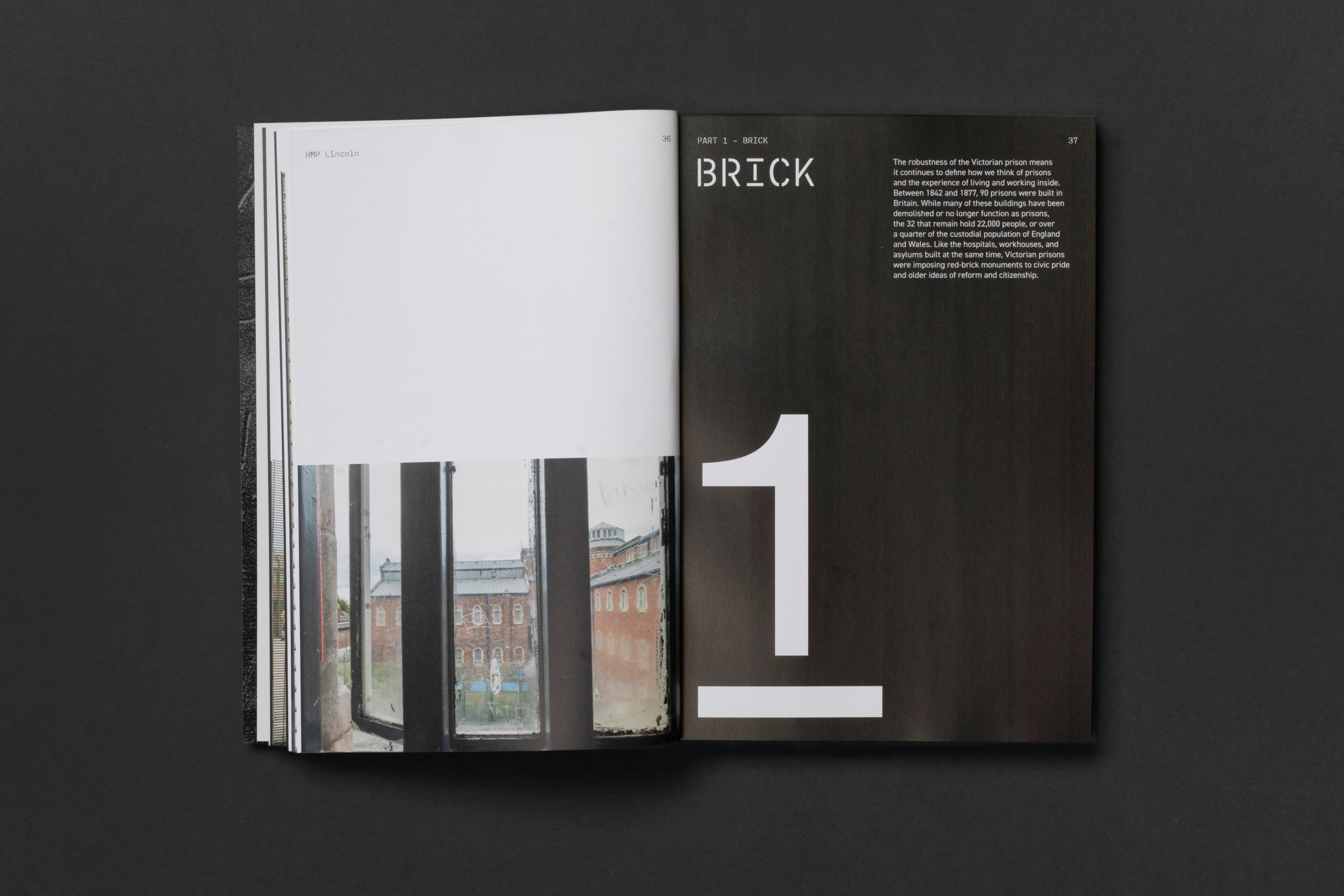
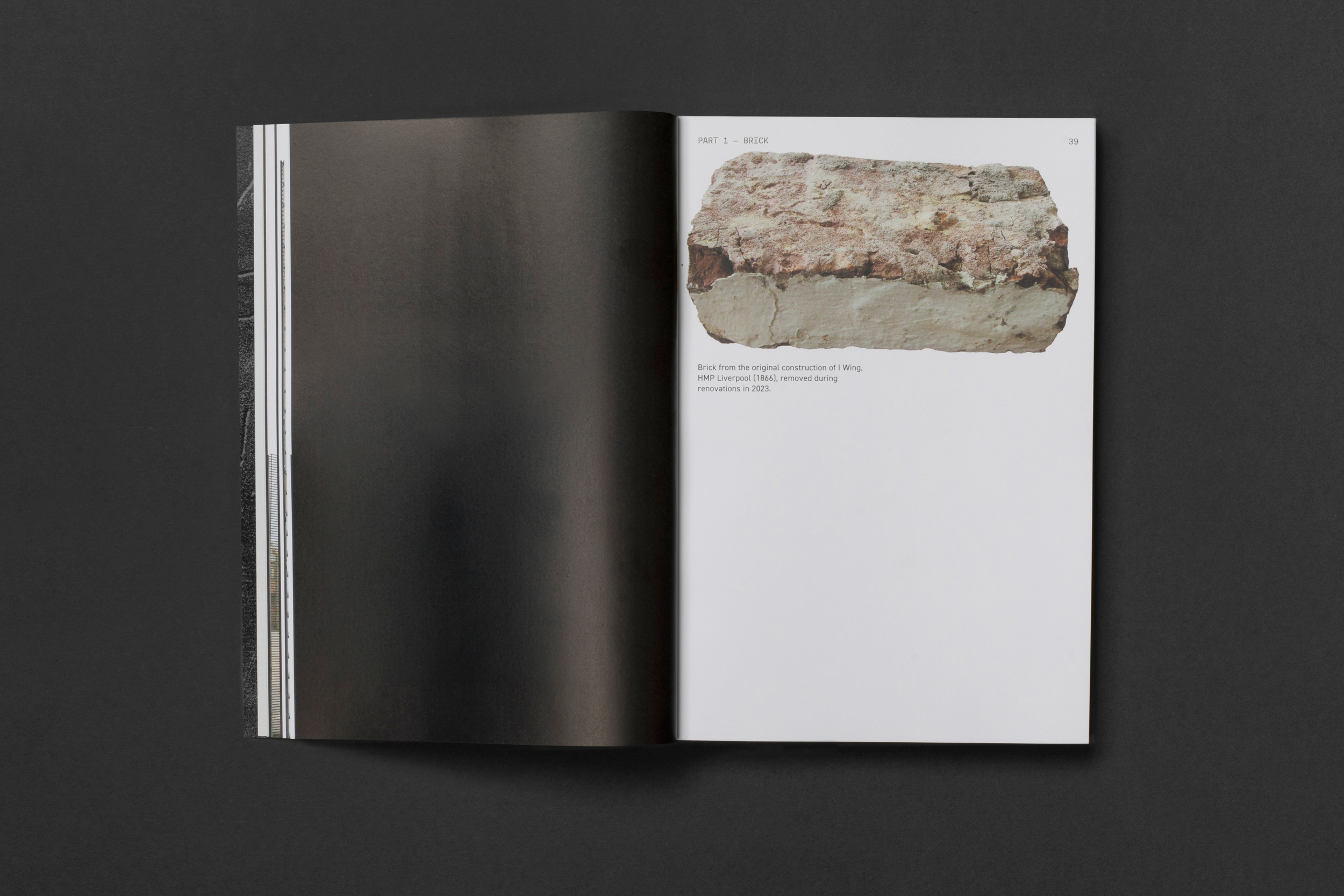
What is now HMP Lincoln opened at the end of the most significant period of prison construction in British history, when 90 prisons were opened or significantly expanded between 1842 and 1877. Here, observes the introductory essay to Incarcerated, “was the Victorian faith in ‘progress’, rendered in bricks and mortar and applied to the challenge of remaking those who had set themselves against law and society”.
Less than 50 years later, in their 1922 Report of the Prison System Enquiry Committee, Stephen Hobhouse and Fenner Brockway argued that ‘the only reform to which [these Victorian ] buildings can be usefully subjected is dynamite’. Despite the continued power of this critique, today prisons such as HMP Lincoln and HMP Liverpool seem as permanent as ever. Over 30 remain in use, collectively holding around a quarter of the UK’s prison population.
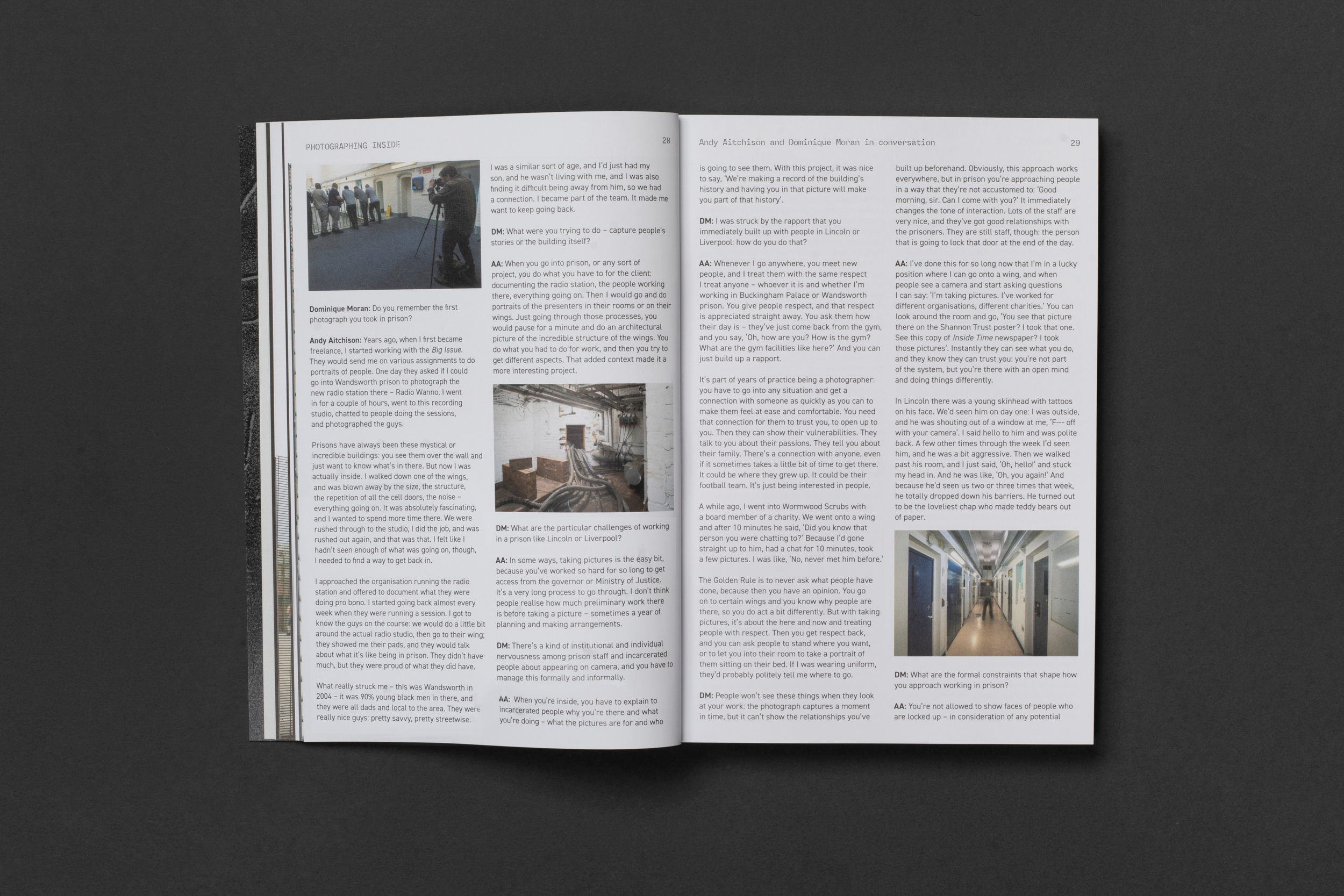
Andy Aitchison has been making photographs inside the UK’s prisons for over 20 years. His interest stems from 2004, when he was asked by the Big Issue to photograph inside HMP Wandsworth – another Victorian prison – and, as he later told Time Out:
“As soon as I got in, the environment fascinated me. The architecture was incredible and the prisoners were just normal people. I went on to one of the wings and there was the usual shouting, but when I got to the radio room it was like a bit of a sanctuary. Once the guys stepped in there, it was a work environment and they became almost different people.
I enjoyed it so much that after the shoot, I got in touch to ask if I could go back to make more pictures. I went 10 or 15 times over a 6 month period. I started meeting guys the same age as me, who had a kid like me – they were in the same situation in life as me, but they were in prison and I wasn’t.”
Since that assignment Andy has now photographed in nearly 50 prisons, often making repeat visits as he works on long term projects. His work has been used extensively by charities, has been published both nationally and internationally, and he regularly contributes to Inside Time – the UK’s leading prison newspaper.
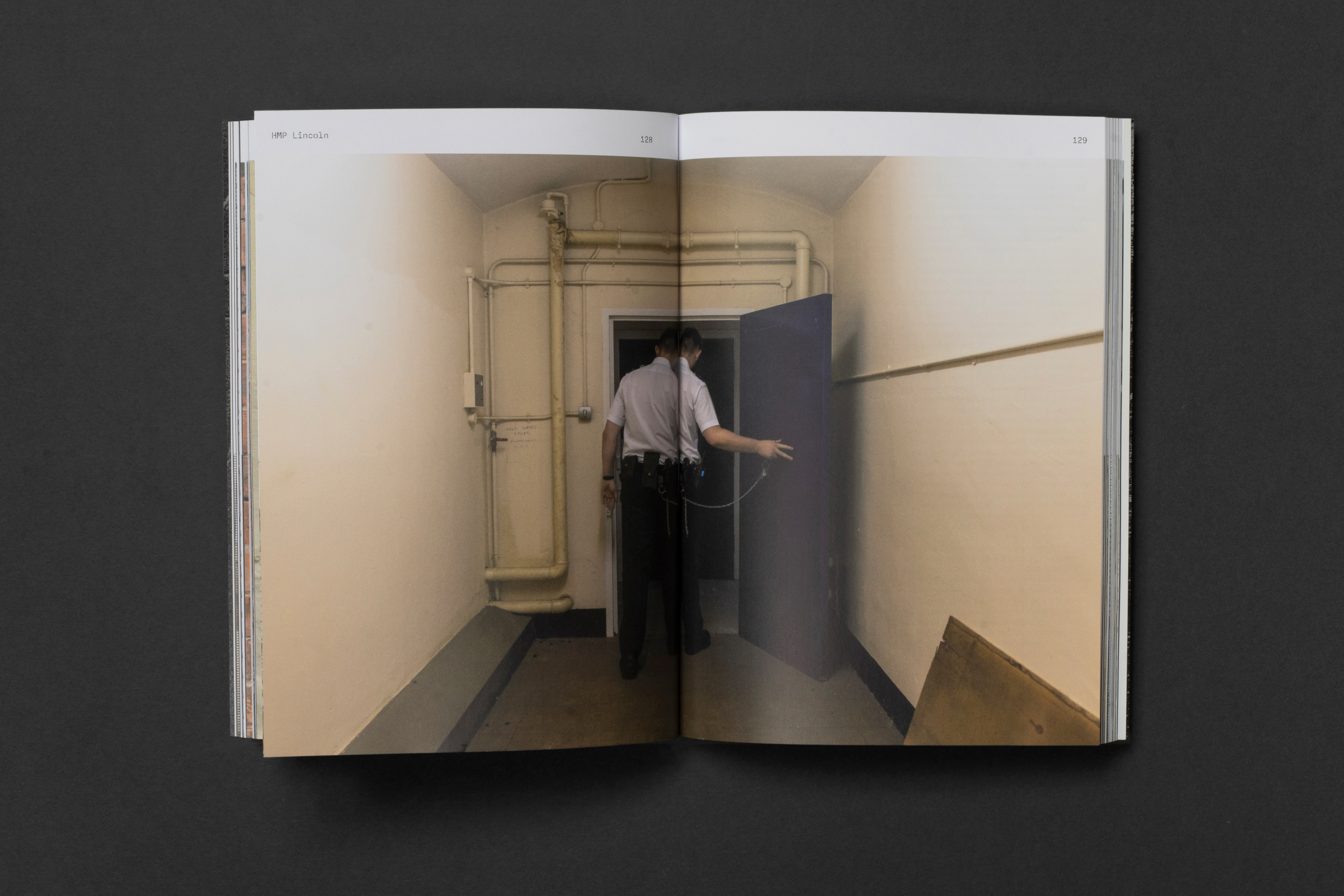
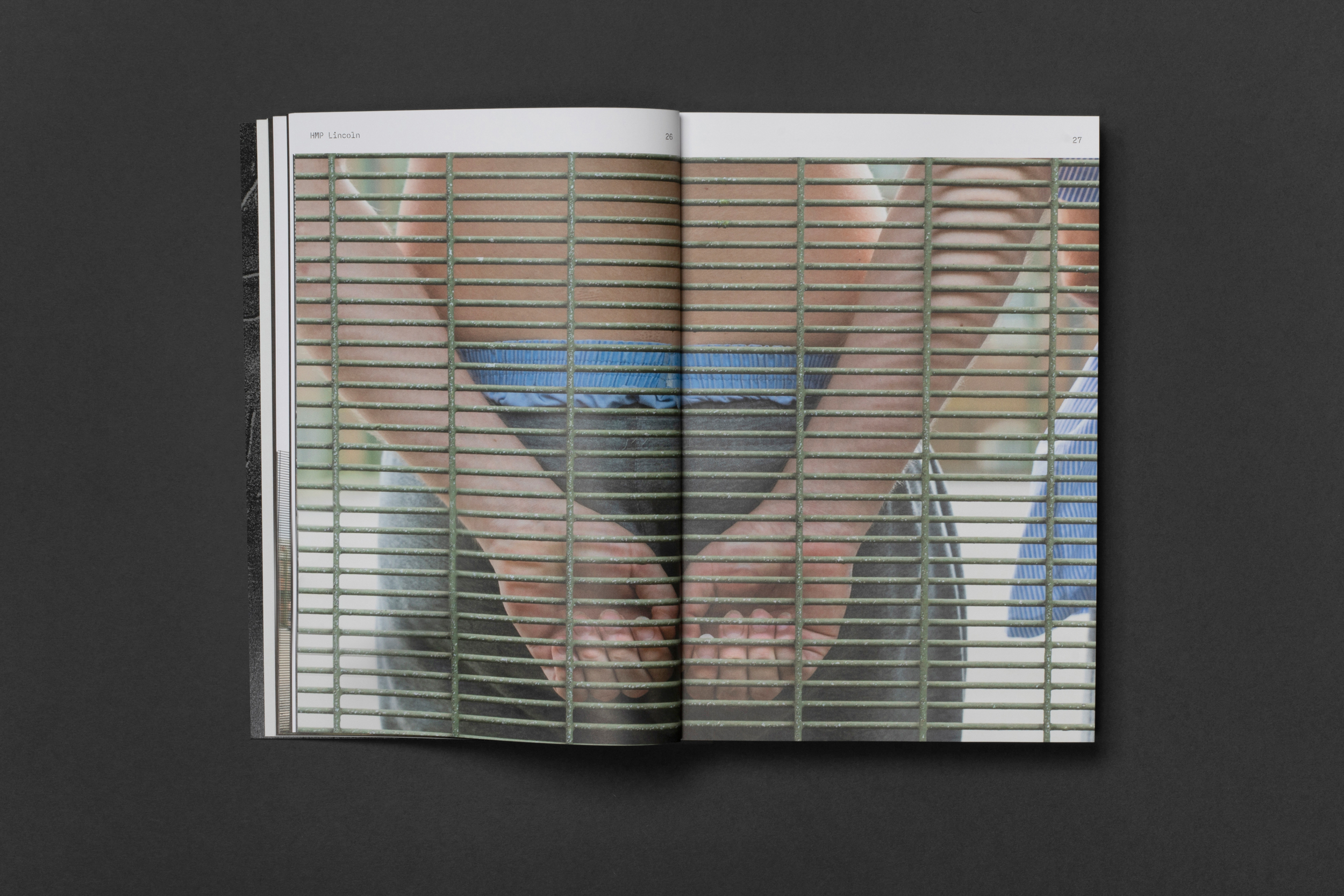
Andy has to work under strict conditions. His equipment is searched on entry and exit, consent forms must be signed by any prisoner he photographs, and certain objects – keys, locks, fence numbers – must never be pictured. Faces of the prisoners are not shown: in order to publish a photograph of a serving prisoner, explicit permission from the Ministry of Justice is required.
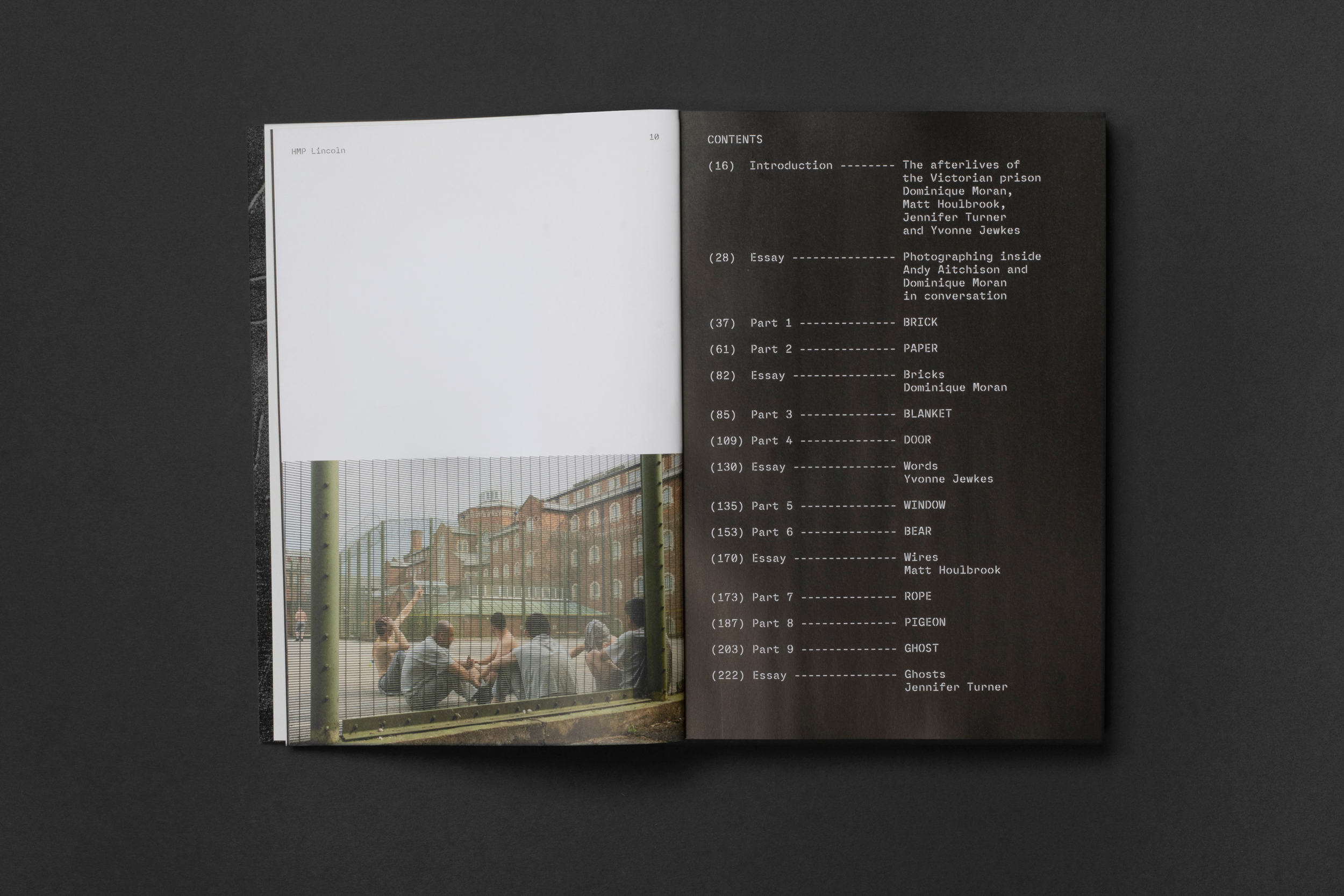
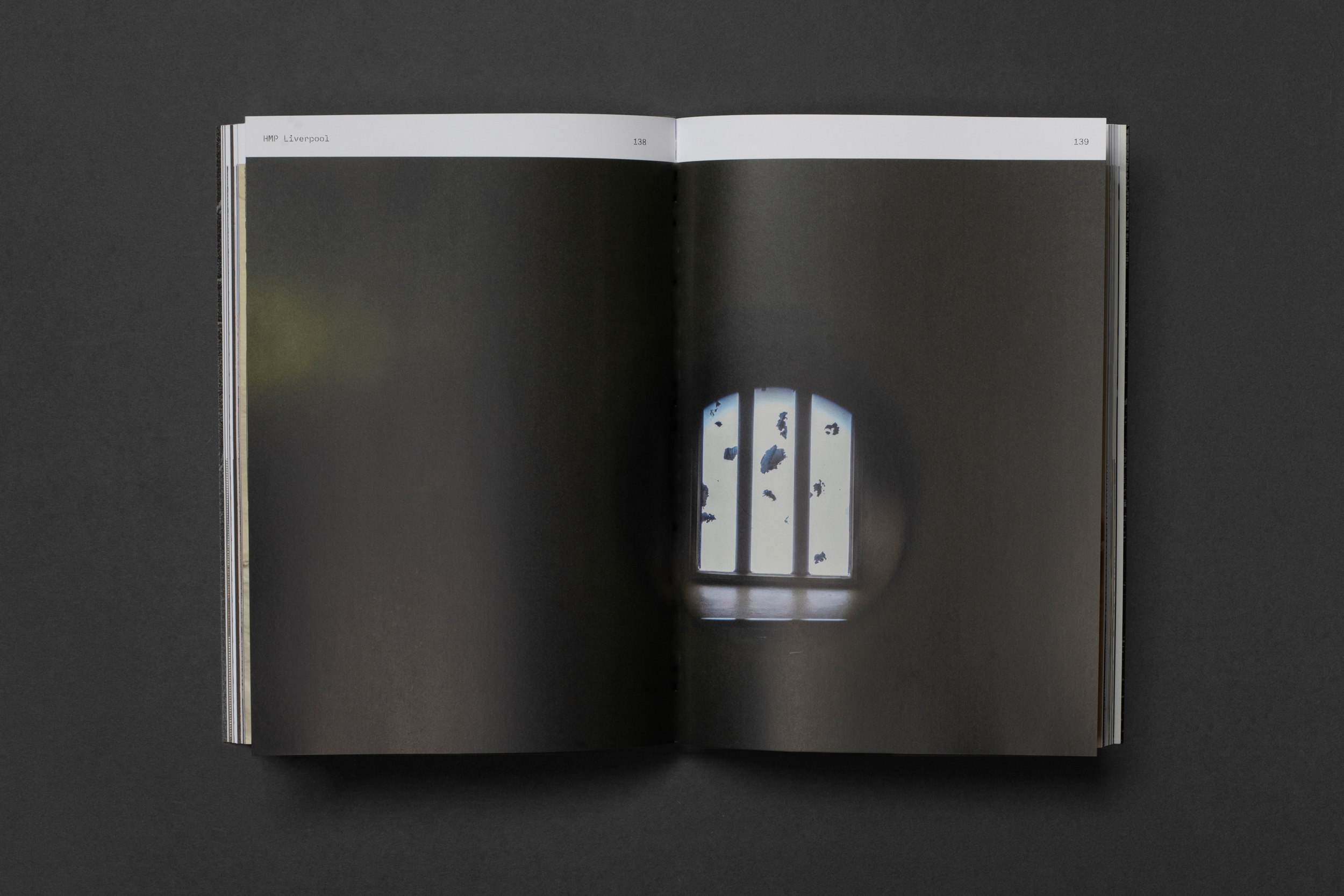
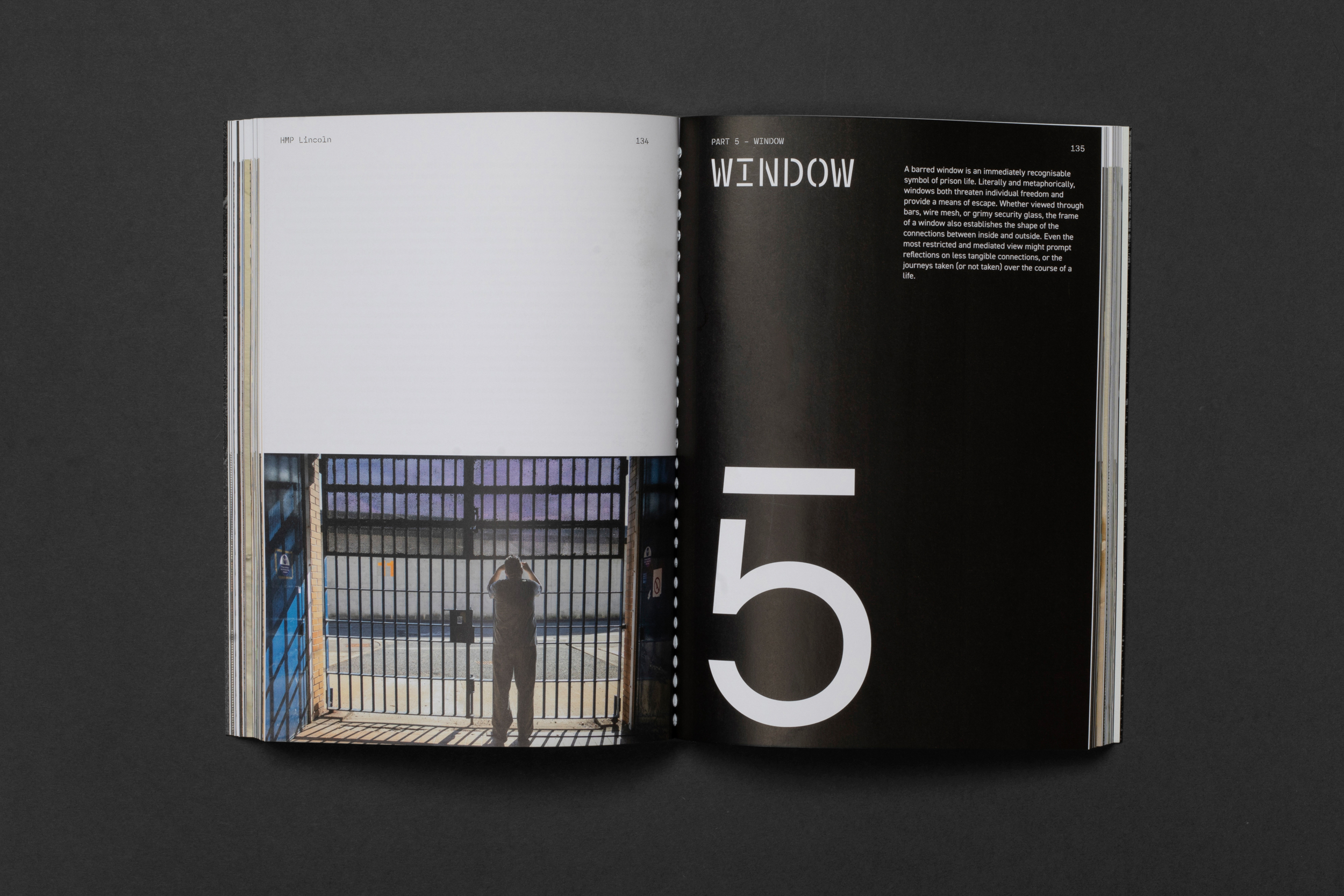
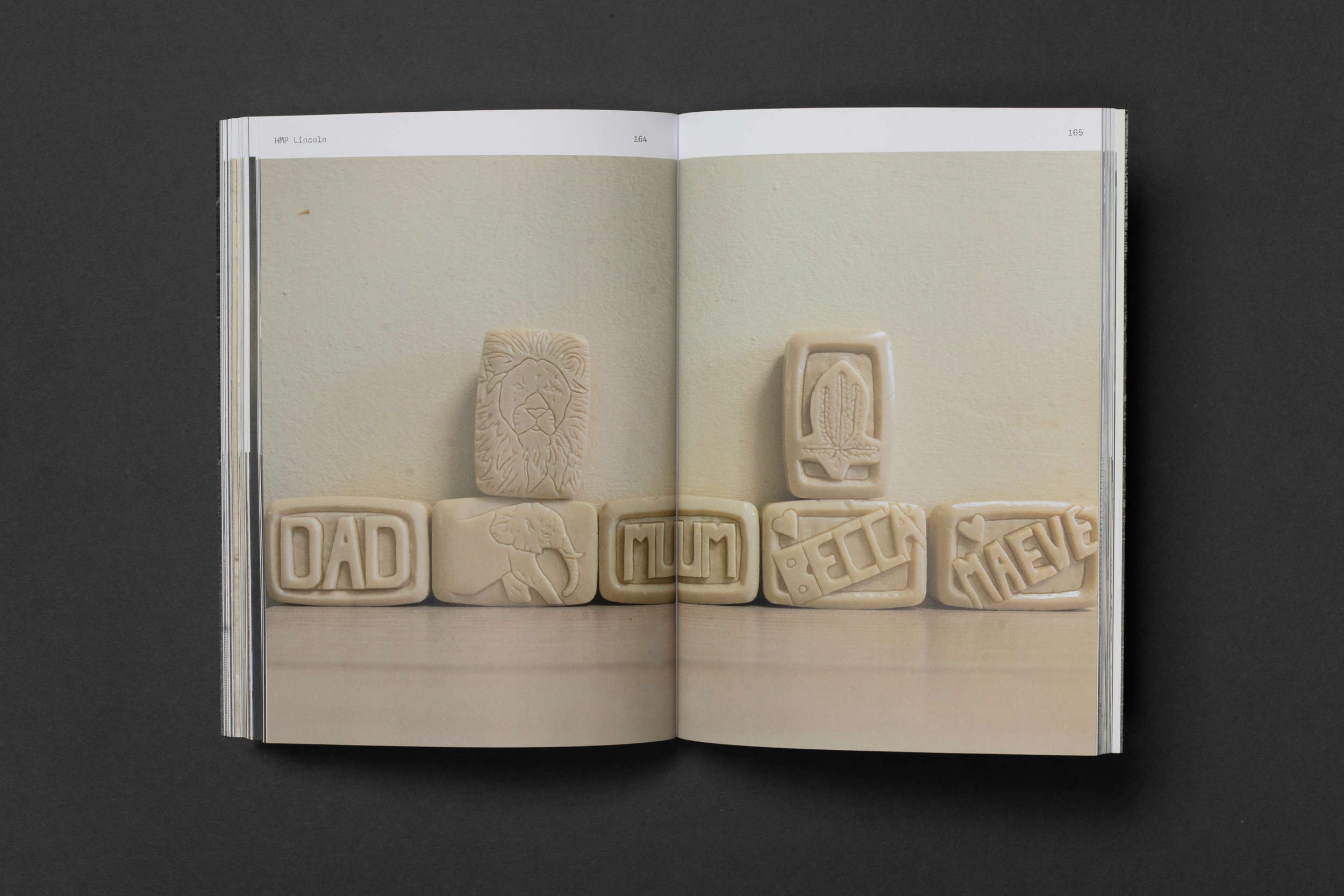
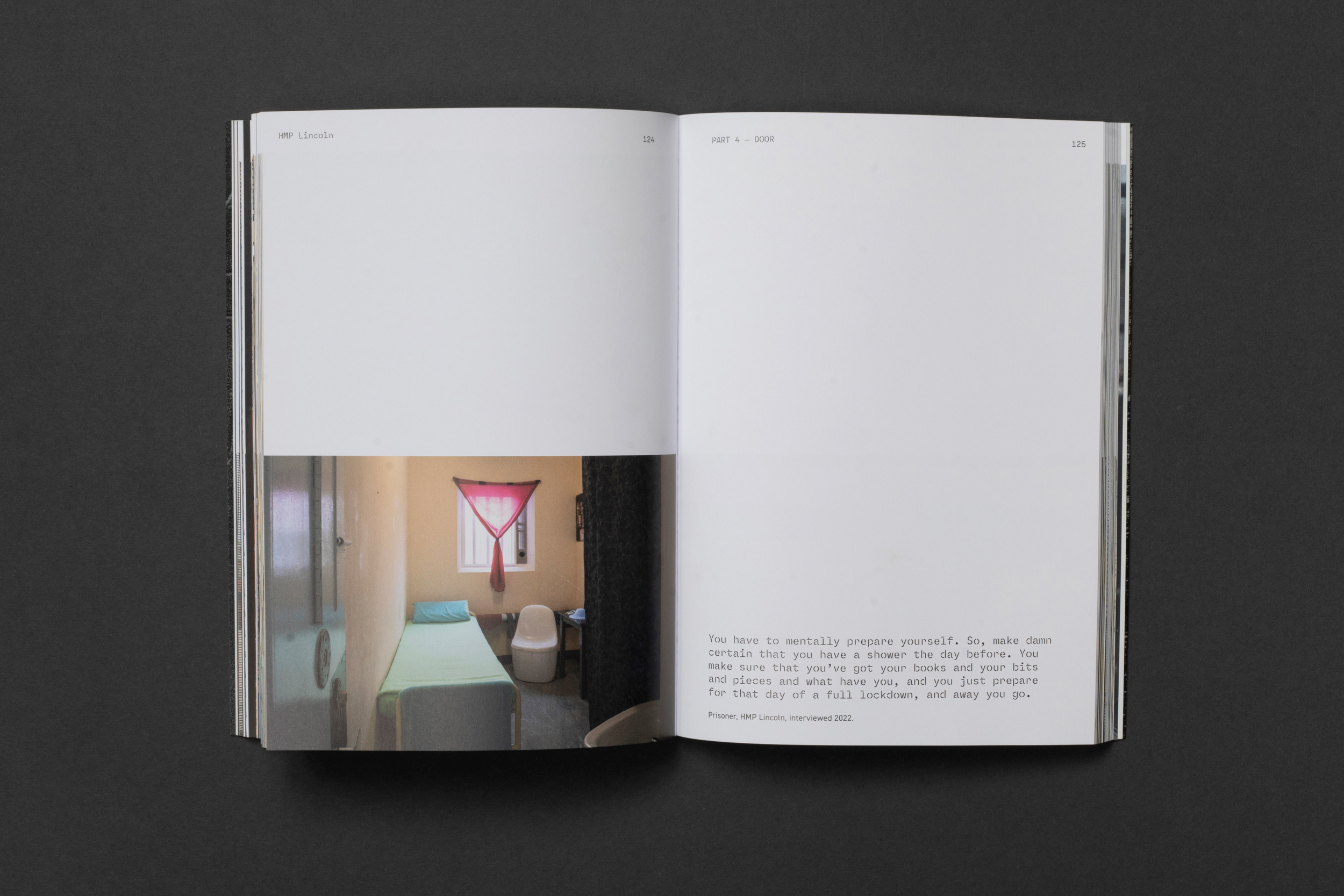
The images in Incarcerated are part of ongoing research on the long afterlives of Britain’s Victorian prison estate by geographers, criminologists, and historians. Together they explore how the fabric and function of prisons built in the nineteenth century have changed over time, the tensions between architectural obsolescence and persistence, and what it has felt like to live and work in Victorian prisons then and now. Presented in conversation with essays written by members of the project team, Andy’s photographs form a unique portrait of Britain’s still-functioning Victorian prisons, and those who live and work in them.
The research project is a collaboration between Professor Dominique Moran and Professor Matt Houlbrook from the University of Birmingham, Professor Yvonne Jewkes from the University of Bath, and Professor Jennifer Turner from Trier University, Germany.
Specifications:
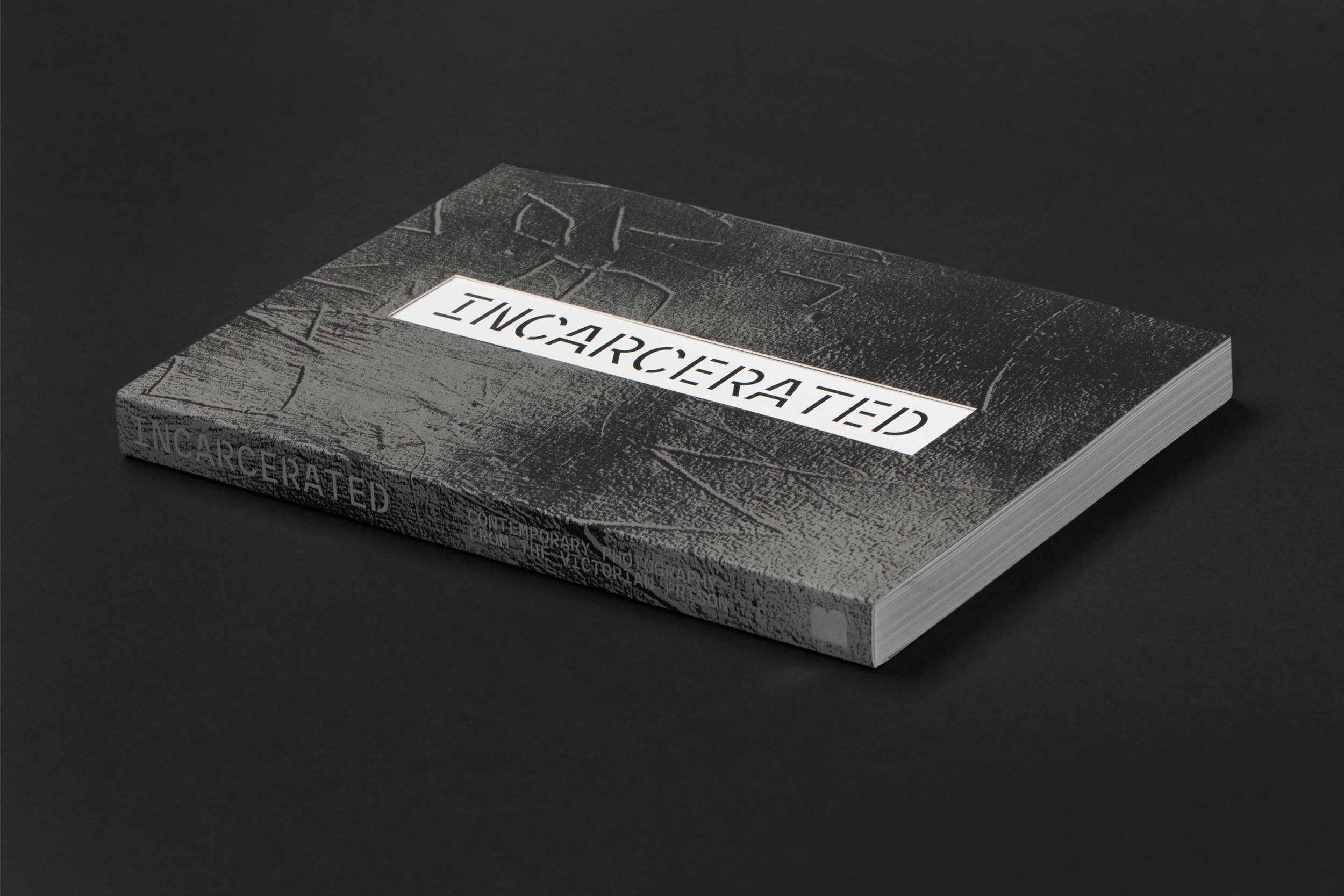
240 pages
190 x 260mm
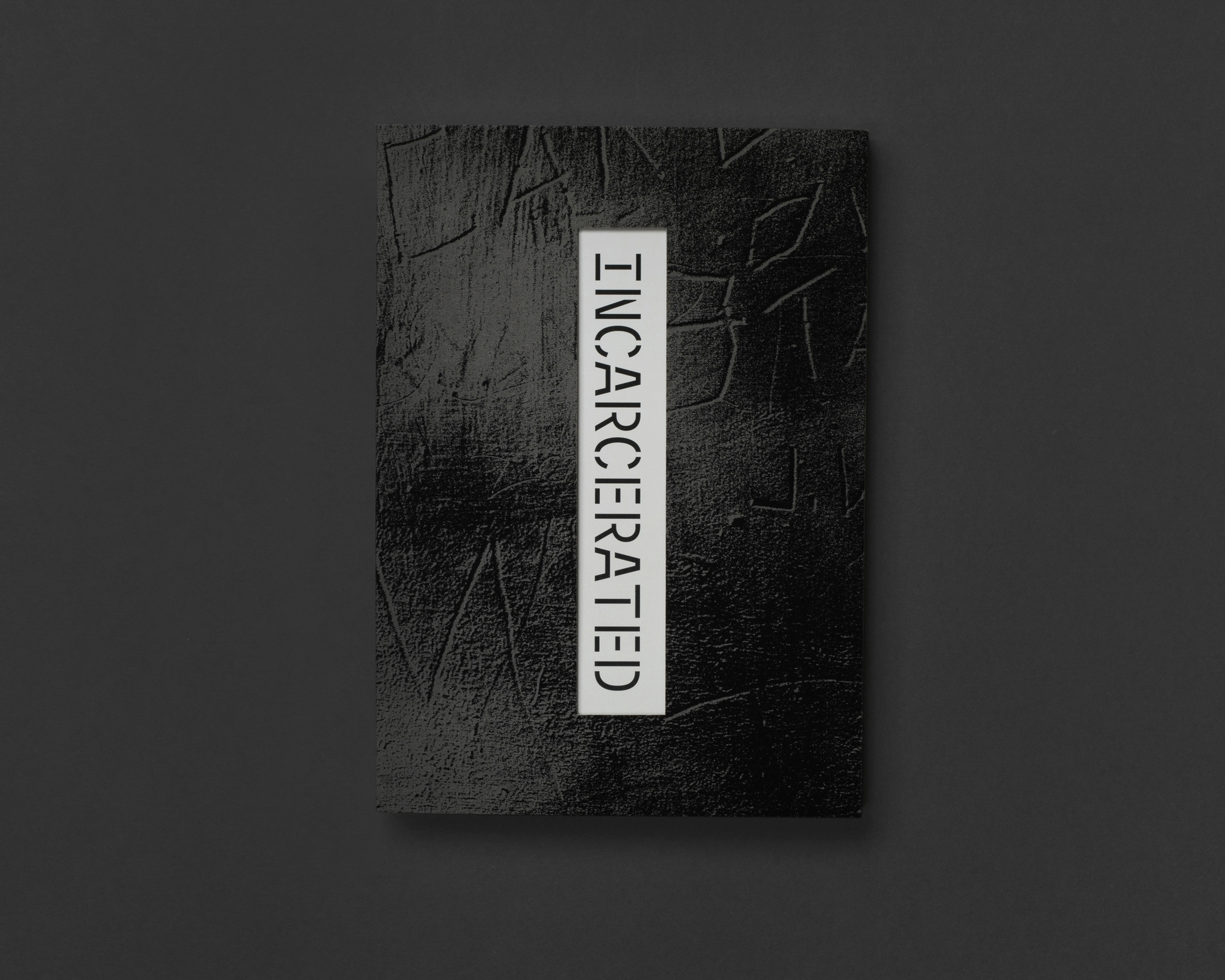
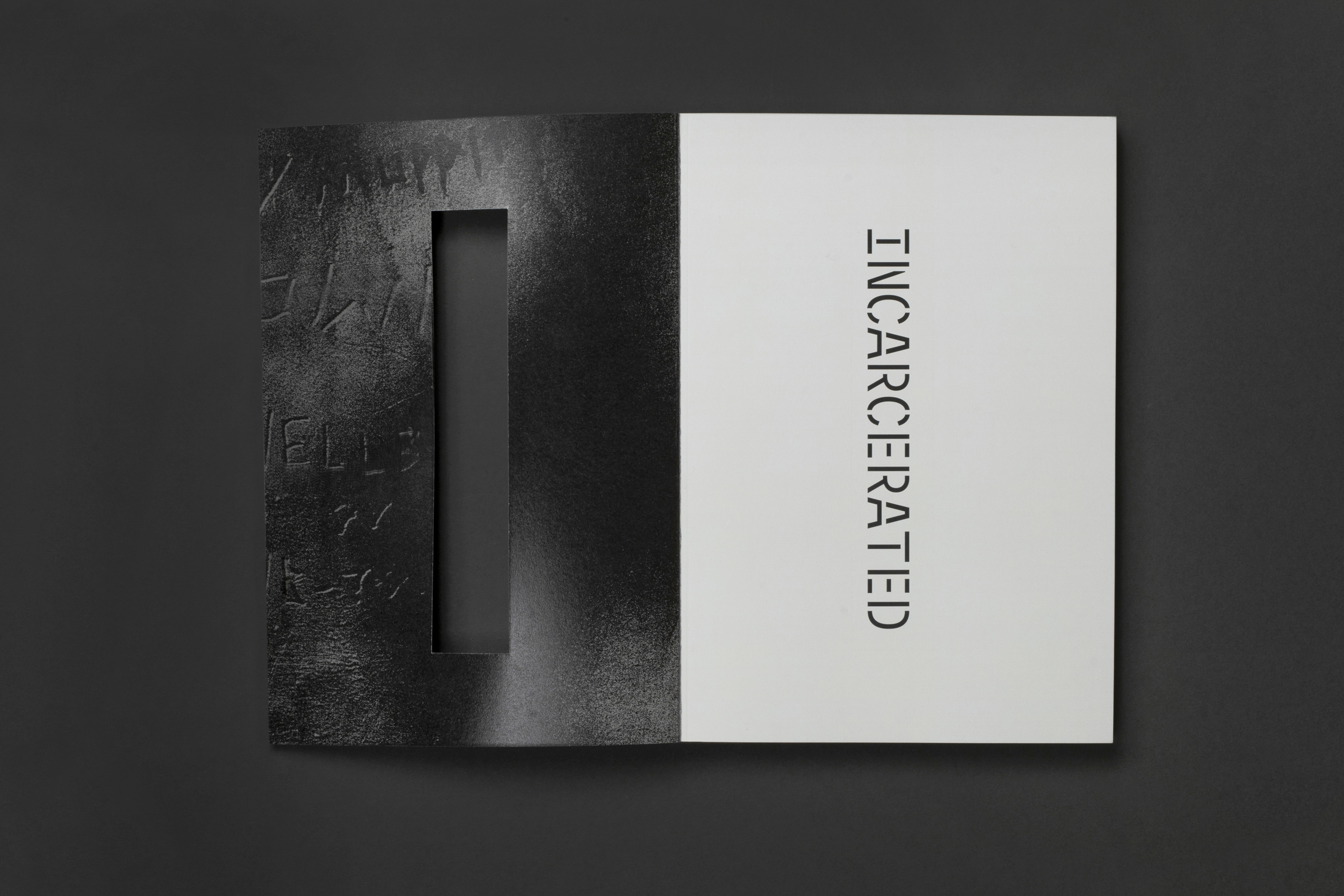
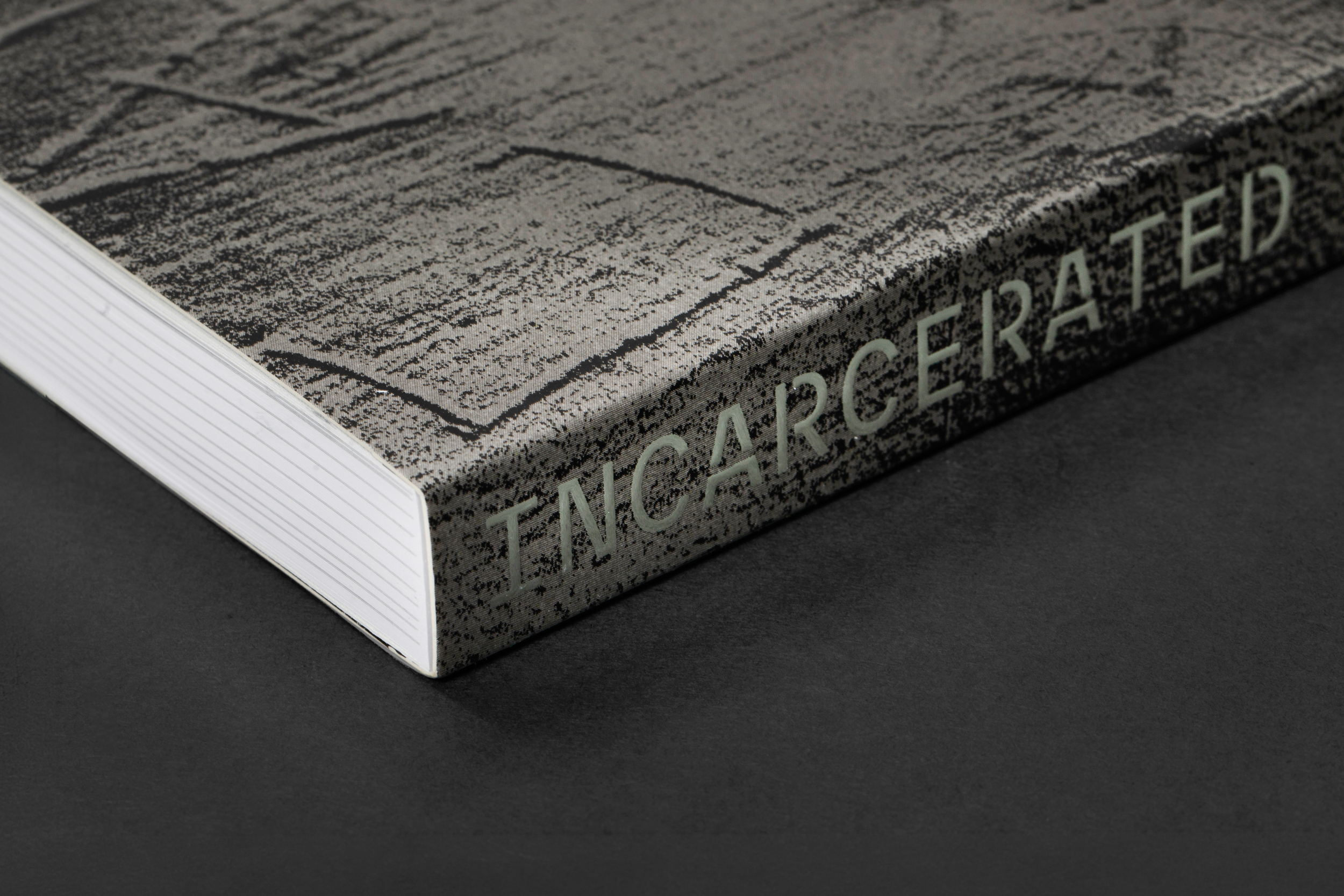
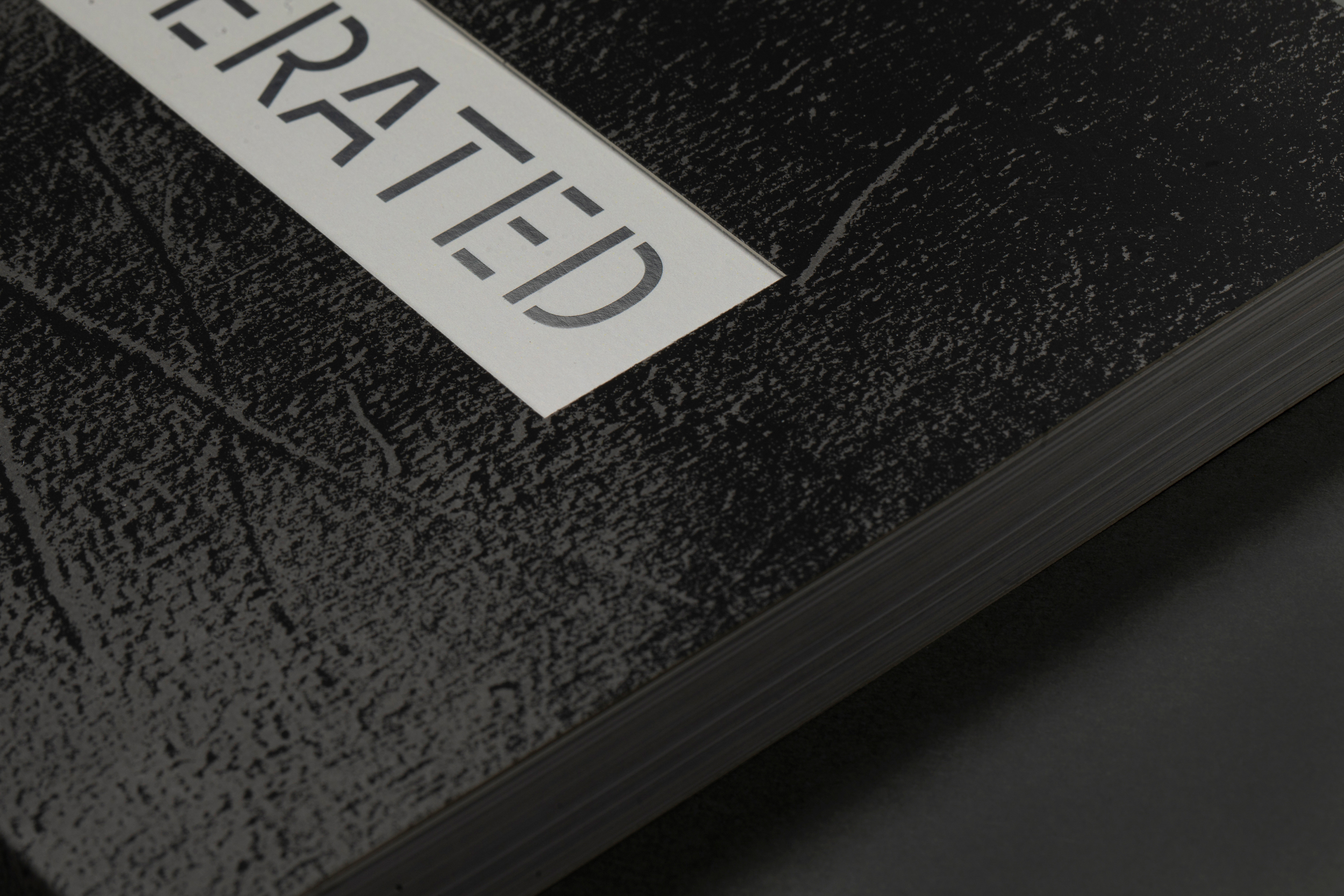
Softback with die-cut double cover
ISBN: 9781908457998